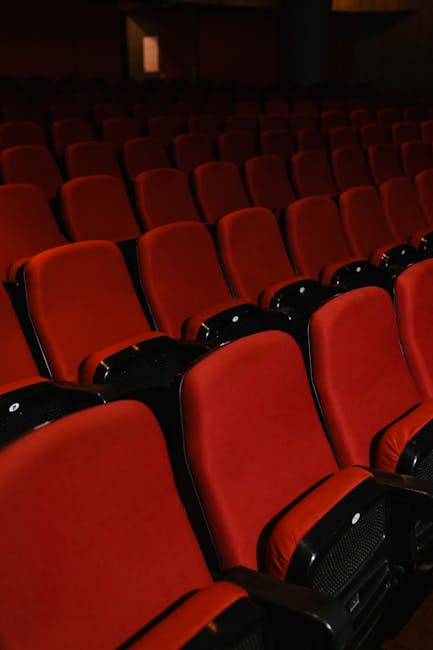
Lyric Hammersmith upholstery cleaning after theatre events: a practical guide for venues, production teams, and hospitality spaces
After a busy performance night, the room can look perfect from the audience's point of view and still be a bit of a mess behind the scenes. Drinks get spilled, fabric seats pick up dust and oils, and the air carries that familiar mix of footfall, stage makeup, and late-evening traffic. That is exactly why Lyric Hammersmith upholstery cleaning after theatre events matters. It is not just about appearances; it is about protecting upholstered seating, keeping the venue welcoming, and making sure the next audience walks into a space that feels fresh rather than tired.
Whether you manage front-of-house, run cleaning after-hours, or oversee a whole building schedule, the key is to clean smartly and quickly without damaging delicate fabrics or causing downtime. In this guide, we'll look at how event-day upholstery cleaning works, what to prioritise, what to avoid, and how to choose the right approach for theatre seating, lounges, foyer chairs, and soft furnishings used around the Lyric Hammersmith.
For a broader look at fabric-care options beyond event turnaround work, you may also find the site's upholstery cleaning, sofa cleaning, and commercial carpet cleaning pages useful. They sit nicely alongside the event-focused advice below.
Table of Contents
- Why Lyric Hammersmith upholstery cleaning after theatre events Matters
- How Lyric Hammersmith upholstery cleaning after theatre events Works
- Key Benefits and Practical Advantages
- Who This Is For and When It Makes Sense
- Step-by-Step Guidance
- Expert Tips for Better Results
- Common Mistakes to Avoid
- Tools, Resources and Recommendations
- Law, Compliance, Standards, or Best Practice
- Options, Methods, or Comparison Table
- Case Study or Real-World Example
- Practical Checklist
- Conclusion
- Frequently Asked Questions
Why Lyric Hammersmith upholstery cleaning after theatre events Matters
Theatre events create a very particular kind of wear. It is not the same as a typical office or hospitality clean. At the Lyric Hammersmith, seating and soft furnishings may be exposed to heavy use in a short period of time: coats brushed across armrests, makeup transfer on fabric, sticky drink rings, crumbs, rainwater on outerwear, and the simple accumulation of skin oils from dozens or hundreds of people sitting in the same place.
That kind of use matters because upholstery is built to look good, feel comfortable, and last. Once dirt settles into fibres, it becomes harder to remove and can start to affect the appearance, smell, and even texture of the fabric. A chair that looks slightly dull by morning can quickly become a chair that feels neglected by next week. Let's face it, audiences notice these things. Maybe not consciously, but they feel them.
There is also a brand issue. The Lyric Hammersmith is a cultural venue, so its seating, lounges, and waiting areas are part of the visitor experience. Clean upholstery helps create that sense of care and professionalism people remember when they leave. A fresh-smelling lobby and tidy fabric seating do more than improve hygiene. They support the atmosphere.
And then there is the practical side. Regular post-event upholstery cleaning reduces the chance that small stains become permanent. It can also help reduce odours trapped in fabric after a long evening event, especially when the weather is wet and people arrive with damp clothing. A bit of good timing here saves a lot of trouble later.
Expert summary: the best after-event upholstery cleaning is not aggressive cleaning. It is prompt, fabric-aware, and planned around the venue's operating rhythm so that furniture is protected and the space is ready for the next crowd.
How Lyric Hammersmith upholstery cleaning after theatre events Works
Good event turnaround cleaning follows a clear process. The exact method depends on the type of upholstery, the fabric label, the stain load, and how quickly the area needs to be back in use. In a theatre environment, speed matters, but so does restraint. Pushing moisture too hard into seat pads is a classic mistake. It feels productive in the moment and then causes long drying delays later. Not ideal.
1. Inspection and fabric identification
The first step is checking what the furniture is made from. Natural fibres, synthetic blends, and delicate decorative fabrics all behave differently. A responsible cleaner should look at:
- the fabric type and condition
- any visible stains or spill marks
- smells, particularly from drinks or damp clothing
- high-contact areas such as armrests and head contact zones
- the drying window available before the next opening or rehearsal
This inspection sets the tone for everything else. If a fabric is prone to shrinkage, colour bleed, or texture distortion, the method needs to be adjusted rather than forced.
2. Dry soil removal
Loose dirt is removed first using suitable vacuuming and edge tools. This matters because if grit stays in the fabric, cleaning liquid can turn it into a muddy paste. Nobody wants that. Dry removal also helps the final finish look more even.
3. Spot treatment
Event stains are usually handled individually before any broader cleaning starts. Common examples include soft drink spills, coffee, wine, grease from snacks, and transfer from stage or costume makeup. The right treatment depends on the stain and the fabric, which is why a one-product-fits-all approach tends to disappoint.
For stubborn marks, a focused stain-removal process is usually better than over-wetting the whole seat. If the stain is on a sofa or soft lounge chair rather than auditorium seating, the methods used on the site's stain removal page are especially relevant.
4. Deep cleaning or low-moisture extraction
Depending on the material and the venue's timetable, the cleaning team may use hot water extraction, low-moisture methods, or controlled steam-based cleaning. The trick is to get contaminants out without soaking the padding. For event settings, lower-moisture options are often attractive because they reduce downtime, though they are not right for every fabric or level of soiling.
If the furniture needs a more intensive clean and the fabric can cope with it, a carefully managed steam carpet cleaning-style approach may be useful on nearby floor surfaces as part of the whole front-of-house refresh, though upholstery itself always needs the correct fabric-specific treatment.
5. Drying, grooming, and final check
After cleaning, the upholstery should be checked for residue, flat patches, and lingering marks. Fabric grooming can help restore the pile and finish. Drying is not a box-ticking step; it is the difference between a clean seat and a usable seat. In a live venue, that matters a lot.
Key Benefits and Practical Advantages
There are obvious benefits to keeping theatre upholstery clean, but a few practical ones are easy to overlook until you are in the middle of a packed season.
- Better first impressions: fresh seating in foyers, bars, and waiting spaces makes the venue feel cared for from the moment guests walk in.
- Longer upholstery life: regular cleaning reduces embedded soils that grind into fibres and wear them down.
- Faster event turnover: planned cleaning keeps your team from scrambling after every show.
- Improved odour control: fabric can hold on to food smells, dampness, and cosmetic residue longer than people expect.
- Reduced stain permanence: the sooner a spill is treated, the better the outcome tends to be.
- More consistent brand standards: audiences, sponsors, and visiting productions all notice when the house feels well kept.
There is also a morale benefit, oddly enough. Staff members who work in a tidy, fresh environment usually take more pride in the space. It sounds small, but on a cold evening when the last audience has gone and the lights are dim, those details matter.
If your venue also manages soft furnishings in hospitality areas, the site's curtain cleaning and rug cleaning pages can be useful companions to a full front-of-house care plan.
Who This Is For and When It Makes Sense
This kind of cleaning is not just for theatres with obvious spills. It is useful for a wider group of people than you might think.
Venue and building managers
If you are responsible for the Lyric Hammersmith or another performance venue, post-event upholstery cleaning should be part of the routine maintenance schedule. It is especially important after busy runs, gala nights, press events, or children's performances where snacks and drinks are more likely to end up on seats.
Front-of-house and operations teams
These teams often spot the problems first. They know which rows get the most traffic, where drinks are usually carried, and which soft seating areas always seem to need extra attention. That on-the-ground knowledge is valuable. Very valuable, actually.
Hospitality and foyer spaces
Bar stools, lounge chairs, banquettes, and waiting-area seating can all suffer from repeated use. If the venue offers food and drink, those areas often need more regular upkeep than the auditorium itself.
Production and touring teams
When cast and crew use green rooms, dressing rooms, or temporary seating areas, the upholstery in those spaces can pick up makeup, fabric fibres, and general wear from long show days. A quicker clean between events may be enough, but periodic deep cleaning is still sensible.
When it makes sense to schedule it
- after a high-attendance event
- after a run with food and drink service
- before a new season or major programme launch
- after rain-heavy periods when wet coats and umbrellas have been everywhere
- when odours or visible dullness start to show
Sometimes the best time is not after damage, but before the fabric looks tired. That is the calmer, less stressful route.
Step-by-Step Guidance
If you are planning upholstery cleaning after theatre events, a structured process helps avoid last-minute panic. Here is a practical way to handle it.
- Assess the space immediately after the event. Walk the public areas, seating zones, and any soft furnishings in the bar or foyer. Look for fresh marks while they are still easy to spot.
- Separate urgent spots from general cleaning. One coffee splash does not require the same treatment as a whole row of marked armrests.
- Check the fabric type. If labels or previous cleaning notes are available, use them. If not, err on the side of caution.
- Vacuum thoroughly. Remove loose debris before any liquid process begins.
- Treat visible stains first. Work gently. Blot, do not scrub. It sounds basic, but scrubbing still ruins a lot of good fabric.
- Choose the right cleaning method. Low-moisture or extraction methods may be suitable depending on the material and deadline.
- Control ventilation and drying. Use airflow sensibly so the fabric dries evenly.
- Inspect for residue and re-marking. If stains wick back as the fabric dries, a follow-up pass may be needed.
- Record what was cleaned. Notes help with future scheduling, especially in busy venues where different teams share the same space.
A small operational note: if the venue has multiple event types in the same week, schedule cleaning around the tightest turnaround rather than the average one. Average is a lovely word until the room has to be ready in eight hours.
Expert Tips for Better Results
In practice, the best results come from small decisions made before the cleaner arrives.
- Act early on fresh spills. The first hour often matters more than the next day's deep clean.
- Keep a simple stain log. Note the type of spill, where it happened, and what was used. That saves guesswork later.
- Match the method to the fabric. Velvet, wool-rich blends, and synthetic theatre seating do not all like the same treatment.
- Prioritise high-contact areas. Armrests, seat edges, and head-height zones usually show wear first.
- Use the least aggressive method that solves the problem. More chemical strength is not automatically better.
- Build cleaning into event planning. It is much easier to protect upholstery if cleaning windows are part of the operating schedule, not an afterthought.
One more thing, and it is a simple one: test in a discreet area first if there is any doubt. Better a tiny hidden patch than a visible patch. That's the kind of quiet caution that saves headaches.
For venues that manage a mix of furniture types, the related carpet cleaning and mattress cleaning pages can also help you plan broader maintenance around public and staff areas.
Common Mistakes to Avoid
Most upholstery problems after events are not caused by the event alone. They are caused by how the clean is handled afterwards.
- Waiting too long. Old spills are harder to remove and more likely to leave a shadow or odour.
- Over-wetting the fabric. Too much moisture can slow drying and encourage wick-back.
- Using the wrong product. Strong cleaners can strip colour or damage finishes.
- Scrubbing stains aggressively. This can spread the stain and roughen the pile.
- Ignoring nearby surfaces. A cleaned seat beside a dirty carpet still leaves the room feeling unfinished.
- Skipping ventilation. Fabric that dries unevenly can smell stale, even if it looks clean.
- Assuming every stain will vanish completely. Honest expectation-setting matters. Some marks improve greatly but do not disappear entirely, especially if they have set.
There is a human tendency to believe that more effort equals better cleaning. Not always. Sometimes less force, more care, and better timing give a cleaner finish. Funny how that works.
Tools, Resources and Recommendations
You do not need a giant equipment list, but a few good tools and working habits make post-event upholstery care much more effective.
Useful basics
- high-filtration vacuum with upholstery attachments
- microfibre cloths for blotting and gentle lifting
- spot-cleaning products suitable for the fabric type
- portable extraction or low-moisture cleaning equipment where appropriate
- fans or air movers to support drying
- inspection torch for spotting faint residue and edge marks
Operational resources worth keeping in-house
- fabric care notes for each seating area
- a simple after-event cleaning log
- spare signage for temporarily closed seating zones
- contact details for emergency stain support
- a post-event checklist shared between operations and cleaning staff
If you need a more complete service overview before deciding what to book, the website's pricing and quotes page is a sensible place to start, and the contact us page is the natural next step when you are ready to ask for help.
For customers who want to understand the company side of service delivery as well, the about us and insurance and safety pages add helpful reassurance.
Law, Compliance, Standards, or Best Practice
Upholstery cleaning in a theatre setting is not usually a heavily regulated activity in the same way as medical or food production cleaning, but there are still important standards of care. UK venues typically need to think in terms of duty of care, staff safety, safe handling of chemicals, and the general expectation that public areas are kept in a safe and presentable condition.
In practical terms, best practice usually means:
- using cleaning products according to their instructions
- training staff to recognise different fabric types
- avoiding slip or trip risks during drying
- keeping walkways and exits clear during work
- documenting any special handling needs for fragile or antique furnishings
- making sure contractors have suitable insurance and safety procedures in place
For venues with broader housekeeping and sustainability goals, it can also make sense to choose cleaning processes that reduce unnecessary waste, reuse water responsibly where possible, and plan visits to fit the venue schedule efficiently. The site's recycling and sustainability page is relevant if that wider operational mindset matters to your team.
One final compliance note: if upholstery is part of a shared public environment, cleaning should never create a temporary hazard by leaving seats damp, chemical residue on armrests, or blocked access routes. Common sense, yes, but it is the sort of common sense that keeps people safe.
Options, Methods, or Comparison Table
Different spaces need different methods. A theatre seat in a packed auditorium is not the same as a soft lounge chair in a foyer or a fabric sofa in a staff area. The table below gives a practical overview rather than a rigid rulebook.
| Method | Best for | Pros | Things to watch |
|---|---|---|---|
| Low-moisture cleaning | Light to moderate soiling, tight turnaround times | Faster drying, less disruption | May not lift deeply embedded stains |
| Hot water extraction | Heavier soiling on suitable fabrics | Strong soil removal, deep refresh | Longer drying, fabric suitability must be checked |
| Targeted spot treatment | Fresh spills and isolated marks | Efficient, minimal disturbance | Not a full-clean solution |
| Dry soil removal plus grooming | Routine maintenance between major cleans | Quick, low-risk, good for upkeep | Does not replace deep cleaning when needed |
For some venues, a mixed approach works best. For example, a foyer might need spot treatment and low-moisture cleaning, while an auditorium row needs deeper attention only after a major event run. That kind of decision-making is where experience pays off.
Case Study or Real-World Example
Here is a realistic scenario. A theatre finishes a Friday performance with a full house, several drinks spills in the foyer, and a handful of marked seats near the front row. Staff notice a faint sweet smell from soft drinks and rain-damp coats, but nothing dramatic. The venue has another performance the following evening.
The sensible approach is straightforward: isolate the worst spots first, vacuum all upholstery and surrounding floor edges, treat the obvious spill marks, then use a controlled cleaning method on the affected seating rather than trying to deep clean everything in one rush. High-contact areas get extra attention. The foyer chairs are dried with decent airflow overnight. By Saturday afternoon, the room feels fresh again without the team having to close half the venue.
That kind of plan sounds ordinary, but ordinary is the goal. Calm, repeatable, and effective. You do not need drama in your cleaning schedule. The show already provided enough of that.
Practical Checklist
Use this simple checklist after theatre events if you need a quick internal guide.
- Inspect upholstery as soon as the audience has left
- Note any fresh spills, odours, or fabric damage
- Vacuum loose debris and dust from seats and armrests
- Blot stains gently rather than rubbing them
- Check the fabric type before applying any product
- Use the least invasive method that will do the job
- Support drying with ventilation or air movement
- Recheck for wick-back or residue after drying
- Record issues that may need follow-up treatment
- Schedule the next clean before the fabric starts to look tired
If you are also coordinating work across other soft furnishings, the site's pet stain odour removal page is not directly theatre-specific, but it can still be useful for understanding how persistent smells are handled in fabric cleaning more generally.
Get a free quote today and see how much you can save.
Conclusion
Lyric Hammersmith upholstery cleaning after theatre events is really about protecting the experience as much as the furniture. Clean seating supports comfort, keeps the venue looking cared for, and helps small problems stay small. That is the kind of maintenance people do not always notice when it is done well, which, to be fair, is exactly the point.
With the right process, the right cleaning method, and a sensible after-event schedule, upholstery care becomes much less stressful. You are not just removing stains. You are keeping the venue ready for the next audience, the next performance, and the next evening that needs to feel effortless.
A well-kept room has a quiet kind of confidence about it. You can feel it when you walk in.
Frequently Asked Questions
What is Lyric Hammersmith upholstery cleaning after theatre events?
It is the cleaning and maintenance of upholstered seating and soft furnishings after performances, events, or busy audience use at the Lyric Hammersmith. The focus is on removing stains, soil, and odours while protecting the fabric and keeping turnaround times manageable.
How soon should upholstery be cleaned after an event?
As soon as practical. Fresh spills and marks are much easier to deal with before they dry and set. Even if a full clean has to wait, quick spot treatment and inspection usually make the final result better.
Can all theatre upholstery be steam cleaned?
No. Some fabrics can handle controlled moisture well, while others are too delicate or textured for that approach. The fabric type, condition, and drying window all need to be checked first.
What types of stains are most common after theatre events?
Drink spills, coffee marks, snack residue, makeup transfer, damp patches from coats, and general soiling from repeated use are all common. Faint odours can also build up in busy seating areas.
How do you stop upholstery from getting damaged during cleaning?
By testing the fabric, using the least aggressive method that will work, avoiding over-wetting, and drying the material properly. Scrubbing and harsh chemicals are the big ones to avoid.
Is upholstery cleaning different from carpet cleaning?
Yes. Upholstery has different fabric constructions, padding, and risk points. Carpet can usually tolerate different methods than chairs, sofas, or benches, so the treatment must be adapted. The site's carpet cleaning page is useful for comparing how floor and fabric care differ.
How often should venue upholstery be professionally cleaned?
That depends on footfall, event type, food and drink service, and fabric durability. High-use seating often benefits from regular maintenance cleans plus deeper periodic cleaning rather than waiting for visible build-up.
Can cleaning remove every stain completely?
Not always. Fresh marks have a much better chance than old, set-in stains. A good clean can improve appearance significantly, but honest expectations are important, especially with delicate or already-worn fabric.
What should I ask a cleaning provider before booking?
Ask how they assess fabric types, what cleaning methods they use, how long drying usually takes, whether they are insured, and what happens if a stain needs more than one treatment. If you want to review broader service details first, the pricing and quotes page is a sensible starting point.
Do you need to close the venue for upholstery cleaning?
Not always. It depends on the area being cleaned, the method used, and how quickly the seats need to be back in use. Some tasks can be done outside public hours with minimal disruption, while deeper work may need a longer window.
What is the safest way to handle a fresh spill on theatre seating?
Blot it gently with a clean absorbent cloth, avoid rubbing, and do not apply random products without checking fabric suitability. If there is any doubt, isolate the area and arrange proper treatment quickly.
Where can I find more information about the company and its policies?
You can review the about us, insurance and safety, and terms and conditions pages for additional reassurance before making a booking.