Stain Removal in Everyday Spaces: Practical Methods for Cleaner Fabrics, Surfaces, and Flooring
Stain removal is one of those household tasks that can feel simple at first and then suddenly become frustrating when the wrong method makes the stain worse. Whether you are dealing with spilled coffee, greasy food, ink marks, mud, wine, pet accidents, or mystery spots that appear out of nowhere, effective stain removal depends on using the right approach for the right material. The good news is that stain removal does not have to be complicated. With the proper technique, a little patience, and a few smart habits, you can tackle many common stains before they become permanent.
When people search for stain removal, they are often looking for quick solutions, but the most successful results usually come from understanding the stain itself. Different stains behave differently. A protein stain responds differently than an oil-based stain, and a stain on upholstery is not treated the same way as one on tile or clothing. That is why stain removal works best when it is practical, targeted, and adapted to the surface involved.
In this article, you will learn how to approach stain removal on fabric, carpet, upholstery, and hard surfaces while avoiding common mistakes that can make the problem harder to solve.
Why Stain Removal Matters in Daily Life
Stains are more than just an eyesore. They can make clothing look worn, upholstery appear neglected, and floors feel less clean than they really are. Fast and effective stain removal helps preserve the appearance of your home and belongings, while also extending the life of fabrics and finishes. For many homeowners and renters, stain removal is part of regular maintenance rather than a one-time chore.
Another reason stain removal matters is prevention. When a stain is treated early, the chances of complete removal are much higher. Fresh stains are easier to lift because they have not yet bonded deeply with fibers or porous materials. Delayed treatment, on the other hand, can set the stain and require stronger cleaning products or repeated attempts.
There is also a hygiene element to stain removal. Food spills, drink stains, body fluids, and pet-related accidents can all leave behind residue or odors. Cleaning these promptly supports a healthier indoor environment. That is why stain removal is not only about looks; it is also about comfort, cleanliness, and care.
Understanding the Main Types of Stains
Before beginning any stain removal process, it helps to identify the type of stain you are facing. This simple step can save time and prevent damage. Broadly, stains usually fall into a few categories:
- Water-based stains: juice, tea, soda, coffee, and many food spills
- Oil-based stains: grease, makeup, lotion, cooking oil, butter
- Protein-based stains: blood, dairy, egg, sweat
- Tannin stains: wine, berries, coffee, tea
- Dye-based stains: ink, colored beverages, some cosmetics
- Organic stains: mud, grass, pet messes, soil
Each category requires a slightly different stain removal strategy. A cleaning product that works well on grease may not help with ink, and a method that lifts coffee from cotton may be too harsh for delicate upholstery. Knowing the stain type improves your chances of success.
Tip: When in doubt, test any stain removal product on a hidden area first. This is especially important for delicate fabrics, dyed materials, natural fibers, and finished wood.
Stain Removal on Clothing: Smart First Steps
Clothing stains are among the most common cleaning challenges. Good stain removal on garments starts with quick action. Blotting is usually better than rubbing because rubbing can spread the stain and push it deeper into the fibers. Use a clean cloth or paper towel to absorb as much of the spill as possible before adding any liquid treatment.
Cold water is often the safest first step for many fabrics, especially when treating protein-based stains such as blood or sweat. Hot water can set certain stains, so it should be avoided unless you know it is appropriate. For stain removal on clothing, always check the care label first. Some garments require gentler handling, dry cleaning, or special detergents.
Detergent-based stain removal is usually effective for many everyday marks. Apply a small amount of liquid laundry detergent directly to the stain and gently work it in with your fingers or a soft brush. Let it sit for a short period before washing. For persistent stains, repeat the process rather than using excessive force. Patience matters in stain removal.
Common Clothing Stains and How to Approach Them
Different clothing stains need different approaches. Here are some practical examples:
- Coffee or tea: Rinse with cold water and treat with liquid detergent or a stain remover before washing.
- Grease: Apply dish soap or a grease-fighting detergent, then wash according to fabric instructions.
- Ink: Blot carefully and use rubbing alcohol or a suitable stain treatment, depending on the fabric.
- Blood: Soak in cold water and use an enzyme-based stain remover if needed.
- Wine: Blot immediately, apply salt or a suitable stain solution, and launder as soon as possible.
Never assume one stain removal product works for all garments. Matching the stain, fabric, and treatment method is the key to better results. If the item is valuable or delicate, professional cleaning may be the safest option.
What Not to Do During Clothing Stain Removal
It is easy to make small mistakes that turn a manageable stain into a permanent one. Avoid using too much heat too soon, and avoid scrubbing aggressively. Also, do not mix cleaning chemicals unless the label clearly says it is safe to do so. Proper stain removal should be effective, but it should also protect the fabric.
Stain Removal on Carpet and Rugs
Carpet stain removal often requires a different strategy than clothing because carpets are thicker, more absorbent, and harder to rinse completely. The first rule of carpet stain removal is to act quickly. Remove any solid debris, then blot the area gently to absorb excess liquid. Never soak the carpet unnecessarily, since too much moisture can damage the backing or lead to lingering odors.
For many carpet stains, a simple solution of mild detergent and water can work well. Apply the solution sparingly and blot with a clean cloth. Work from the outside of the stain toward the center to prevent spreading. Repeat with clean water to remove residue, then dry the area thoroughly with towels or a fan. Good stain removal on carpet is often more about lifting than scrubbing.
Rugs may require extra caution because of dye stability and fiber type. Wool rugs, for example, need gentler stain removal than synthetic rugs. If a rug is valuable, handmade, or antique, spot testing is essential. Strong chemicals can damage dyes or fibers, so mild treatment is usually the safest starting point.
Best Practices for Carpet Stain Removal
- Blot, do not rub.
- Use a white cloth so colors do not transfer.
- Test cleaning solutions on a hidden area first.
- Dry the area fully to prevent mildew.
- Repeat gentle treatments instead of using harsh force.
For stubborn stains, enzyme cleaners can be helpful, especially on organic or pet-related spots. They support deeper stain removal by breaking down residue at the molecular level. However, follow instructions carefully and allow enough dwell time for the product to work.
Important: If a carpet stain keeps returning after cleaning, the spill may have soaked into the padding beneath the surface. In that case, deeper stain removal or professional extraction may be needed.
Fresh vs. Set-In Carpet Stains
Fresh stains are usually the easiest to remove because they have not bonded deeply. Set-in stains often need multiple treatment cycles. A methodical approach is better than rushing, especially when dealing with large or old carpet stains.
Stain Removal on Upholstery and Furniture

Upholstery stain removal requires care because many furniture fabrics are sensitive to water, friction, and certain chemicals. Before doing anything else, check the cleaning code if it is available. Many upholstered items include labels with letters such as W, S, WS, or X, which indicate how the material should be cleaned. Using the wrong method can cause shrinkage, discoloration, or texture changes.
For water-safe fabrics, a small amount of mild soap and water may be enough for stain removal. Blot gently with a clean cloth rather than applying liquid directly to the fabric. For solvent-safe materials, use a suitable upholstery cleaner according to label directions. Always keep the area as dry as possible while working.
Furniture stain removal often involves patience and layering. One pass may not be enough. Start with the mildest method, then move to a stronger but still suitable product if needed. This approach protects the fabric while still improving results. If the stain is on a cushion cover that can be removed, follow the fabric care instructions before cleaning.
Furniture Stains That Need Special Attention
Some stains are especially common on sofas, chairs, and other upholstered items:
- Food spills: Treat with gentle detergent and blotting
- Pet stains: Use enzyme cleaners to address odor and residue
- Ink marks: Handle carefully with approved solvent or specialty cleaner
- Oil or lotion: Use absorbent material first, then a fabric-safe cleaner
Upholstery stain removal is often easier when done immediately, but even older marks can improve with repeated careful treatment. If a stain has spread or become sticky, it may require more than one session.
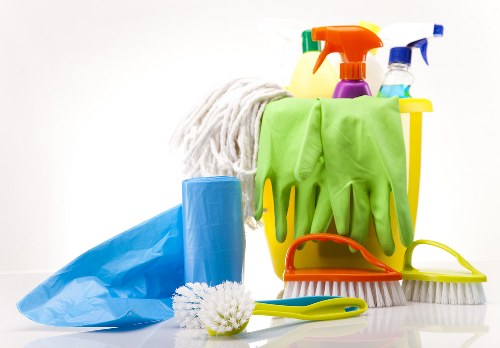
For best results, keep a small stain removal kit in your home. Include clean cloths, a mild detergent, a soft brush, a stain-safe spray, and gloves. Having these items ready makes fast treatment easier.
When Professional Help Is Worth Considering
Some upholstery stains are too risky for DIY treatment, especially on silk, velvet, suede, or heirloom fabrics. In those cases, specialized stain removal services may offer better protection and cleaner results. If the piece is expensive or sentimental, professional care is often the smartest choice.
Stain Removal on Hard Surfaces

Stain removal is not limited to fabrics. Hard surfaces such as countertops, tile, grout, sinks, tubs, and sealed floors also collect stains from food, soap, minerals, and everyday use. The advantage of hard surfaces is that they are usually easier to clean than fabric, but the wrong product can still cause damage. Always confirm whether the surface is sealed, painted, polished, or natural before beginning stain removal.
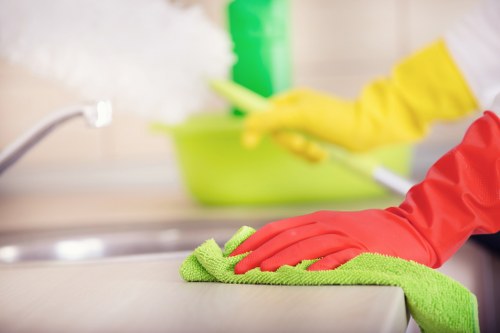
For non-porous surfaces, a mild cleaner and microfiber cloth are often enough. Start by wiping away loose debris. Then apply the cleaning solution and allow short contact time before wiping clean. For tougher stains, a paste or specialty cleaner may help. Hard-surface stain removal works best when the cleaner can loosen residue without scratching or dulling the finish.
Natural stone surfaces such as marble, granite, and travertine need special care. Acidic products like vinegar or lemon juice can etch the surface and create damage that looks like a stain. That is why stain removal on stone should only use stone-safe products. When handled correctly, many marks can be lifted safely.
Common Hard-Surface Stain Challenges
- Soap scum: Build-up on showers, tubs, and sinks
- Hard water stains: White mineral spots on glass and fixtures
- Grease splatter: Kitchen walls, backsplashes, and counters
- Rust marks: From metal fixtures, cans, or tools
- Grout discoloration: Dirt trapped in porous lines between tiles
For grout and textured surfaces, a brush can help improve stain removal, but the motion should still be controlled. A soft-bristled brush is often enough. Excessive scrubbing can damage sealant or spread grime deeper into the pores.
Reminder: Surface-safe stain removal is always better than aggressive cleaning. A mild product used properly is usually more effective than a harsh product used incorrectly.
Choosing the Right Stain Removal Products
With so many stain removal products on the market, choosing the right one can feel confusing. The best choice depends on the stain type, the material, and the amount of time available. Some products are designed for laundry, others for upholstery, and others for hard surfaces. Multi-purpose formulas can be useful, but they are not always the best solution for every situation.
When selecting a stain removal product, consider the following:
- Is it safe for the material?
- Does it target the specific stain type?
- Does it require rinsing or drying time?
- Is it suitable for food-contact or pet areas?
- Does it contain bleach or other strong ingredients?
Enzyme cleaners are especially useful for stain removal involving organic matter. Oxygen-based cleaners can help brighten fabrics and lift certain discoloration. Dish soap is effective for grease. Rubbing alcohol may help with ink. Baking soda can support odor control and gentle abrasion. The key is choosing intentionally rather than reaching for the strongest option first.
SEO note for readers and homeowners: effective stain removal is not about using more product; it is about using the right product at the right time.
Natural vs. Commercial Stain Removal Methods
Many people prefer natural stain removal methods because they feel simpler and more accessible. Baking soda, vinegar, salt, and mild soap are common household options. These can be useful, but they are not universal solutions. Commercial cleaners may offer stronger performance for difficult stains, especially when speed matters.
The best approach is often balanced. For example, a fresh spill may respond well to gentle household stain removal, while a set-in grease stain may need a specialized cleaner. Know when to keep it simple and when to use a stronger formula.
Building a Practical Stain Removal Routine
A reliable routine can make stain removal easier over time. Keep supplies in a convenient place, act quickly when accidents happen, and always check care labels. If a stain does not come out after the first attempt, pause and reassess rather than escalating too quickly. Good habits prevent damage and improve success rates.
Preventing Stains Before They Happen
While no home is completely stain-proof, prevention can dramatically reduce the amount of stain removal needed. Small protective habits save time, money, and frustration. For example, using coasters, placemats, washable throws, and protective sprays can reduce the likelihood of deep stains.
Here are simple prevention steps that support easier stain removal later:
- Use fabric protectors on upholstery and rugs when appropriate.
- Clean spills immediately instead of waiting until later.
- Keep stain-safe cleaning supplies nearby.
- Rotate cushions and rugs to reduce uneven wear.
- Avoid eating or drinking in high-risk areas when possible.
Prevention does not eliminate the need for stain removal, but it makes every cleanup faster and more manageable. The less time a stain has to settle, the easier it is to treat.
In many homes, the best stain removal strategy is a prevention strategy combined with a fast response plan.
When to Stop and Seek Expert Help
There are times when stain removal should not be handled alone. If a stain covers a large area, if the item is expensive, if the material is delicate, or if repeated cleaning has not worked, expert assistance may be the safer route. This is especially true for antique fabrics, specialty carpets, natural stone, and high-value furniture.
Professional stain removal services often have access to specialized equipment and materials that are not available in standard home cleaning kits. They can also identify the stain type more accurately and choose methods that reduce risk. In some cases, professional intervention saves the item from permanent damage.
If you are unsure, it is better to pause than to experiment with a treatment that could worsen the stain. Smart stain removal includes knowing your limits.
Final Thoughts on Stain Removal
Stain removal becomes much easier when you understand the stain, match the method to the material, and respond quickly. From clothing and carpet to upholstery and hard surfaces, each area in the home benefits from a thoughtful cleaning approach. The most effective stain removal is usually the one that is targeted, gentle, and consistent.
If you want cleaner fabrics, fresher rooms, and fewer permanent marks, make stain removal part of your regular home care routine. Keep the right supplies on hand, act early, and avoid the common mistakes that lead to set-in spots. Contact us today if you want to improve your cleaning results or need help handling stubborn stains. Book your service now and take the next step toward a cleaner, more polished space.
Stain removal does not need to be stressful. With the right techniques, even difficult spills can often be handled effectively and safely.