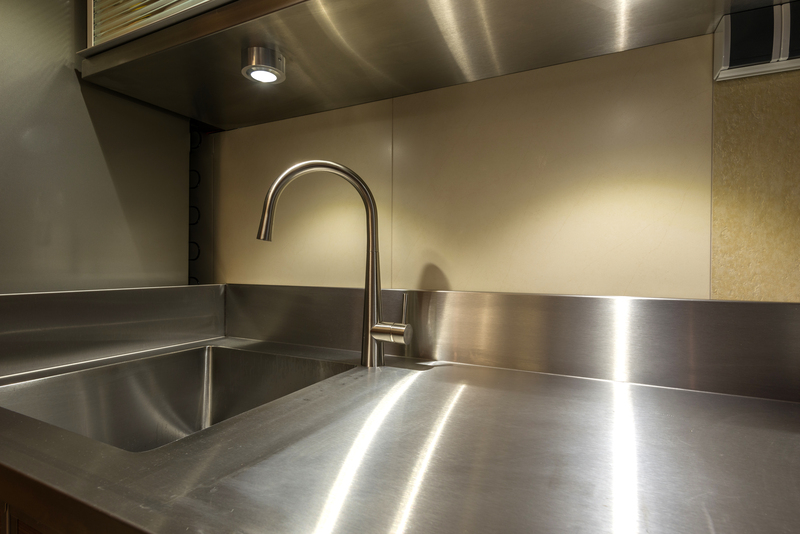
The Rise of Smart Kitchen Design in Modern Homes
Smart kitchen design has become one of the most influential trends in contemporary home improvement. More than a stylish upgrade, it reflects a shift in how people cook, gather, organize, and live. A well-planned kitchen is no longer only a place for preparing meals; it is a central part of the home where functionality, comfort, and visual appeal must work together. Homeowners today want spaces that feel open, efficient, and adaptable, and that is exactly why smart kitchen design continues to gain attention.
At its core, kitchen design is about creating a space that supports daily life. The best kitchens are not necessarily the largest or the most luxurious, but the ones that are arranged thoughtfully. Every detail matters, from cabinet placement and lighting to storage layout and appliance choice. A well-designed kitchen can reduce clutter, improve workflow, and make cooking more enjoyable. It can also increase a home’s value while creating a more welcoming environment for family and guests.
What makes this topic especially relevant is the way modern living has changed expectations. People want kitchens that can handle multiple tasks at once, such as meal preparation, homework, entertaining, and remote work. As a result, modern kitchen design focuses on flexibility, efficiency, and long-term practicality. The smartest spaces are designed not only for today’s needs but also for how households may evolve over time.
One of the most important elements in a smart kitchen is layout. The arrangement of the sink, stove, refrigerator, counters, and storage areas determines how smoothly the room functions. A thoughtful kitchen layout reduces unnecessary movement and creates a natural flow between tasks. Many homeowners still value the classic work triangle, but contemporary kitchen planning often goes beyond that idea to include preparation zones, cleanup areas, coffee stations, and flexible surfaces.
A kitchen layout should reflect how the household actually uses the room. For example, an active family may benefit from wide walkways, durable surfaces, and multiple prep zones. Someone who enjoys entertaining might prefer an open-concept layout with an island that doubles as a serving and seating area. In each case, the kitchen arrangement must support real-life habits rather than follow trends alone. This is where intelligent planning makes a dramatic difference.
Storage is another defining feature of successful smart kitchen design. Without enough organized storage, even the most beautiful kitchen can quickly become frustrating to use. Cabinets, drawers, pull-out shelves, pantry systems, and hidden compartments all contribute to a cleaner and more efficient environment. The goal is not simply to store items, but to store them in a way that keeps everything easy to access.
Open shelving can add personality, but it should be used intentionally. While it may create a lighter visual feel, it also requires discipline to avoid looking crowded. Closed cabinetry often works better for everyday practicality, especially when paired with interior organizers. A mix of both can offer the best of both worlds, balancing display and concealment. In many homes, the most effective kitchen storage solutions are those that are tailored to specific needs rather than copied from a catalog.
Lighting plays an equally important role. Good kitchen lighting does more than brighten the room; it shapes mood, enhances safety, and improves functionality. A smart kitchen usually includes layered lighting, such as ambient lighting for general visibility, task lighting for counters and cooking areas, and accent lighting to highlight architectural features. When these layers work together, the kitchen feels warmer, more usable, and more refined.
Natural light is especially valuable in kitchen interiors. Large windows, skylights, and glass doors can make a room feel more open and uplifting. However, artificial lighting must still be carefully planned for evenings and cloudy days. The best kitchen lighting design considers both aesthetics and performance, ensuring that the space remains inviting at all times. In this way, light becomes a design tool rather than just a practical necessity.
Material choices also influence how effective a kitchen is in everyday life. Countertops, flooring, cabinetry, and backsplashes all need to look attractive while standing up to wear and tear. Popular choices often include quartz, wood, stone, porcelain, and durable laminates. Each has strengths and trade-offs, so the right option depends on budget, maintenance expectations, and visual preference. A stylish kitchen must be beautiful, but it should also be resilient enough to handle heavy use.
Texture and color contribute to the overall feeling of the room. Lighter tones can make a kitchen appear larger and more open, while darker palettes may create a sense of depth and sophistication. The key is to develop a balanced palette that feels cohesive. Modern kitchen interior design often uses a combination of matte and glossy finishes, warm and cool tones, and natural materials to create visual interest without overwhelming the space.
Appliance selection has also evolved significantly. Today’s homeowners often look for energy-efficient, space-saving, and multifunctional appliances that fit seamlessly into the design. Built-in ovens, counter-depth refrigerators, induction cooktops, and quiet dishwashers are common features in a smart home kitchen. Beyond performance, appliances should support the overall style of the room. A cohesive appliance package can make the space look polished and intentional.
Technology has transformed the modern kitchen in remarkable ways. Smart appliances now offer app-based controls, voice activation, remote monitoring, and energy tracking. Refrigerators can help manage groceries, ovens can preheat remotely, and faucets can improve water control with touchless operation. These features are not just impressive; they can make daily routines more efficient. However, the most effective technology is the kind that integrates naturally into the room rather than dominating it.
The appeal of technology in contemporary kitchen design lies in convenience. Many families appreciate tools that save time and reduce effort. Yet the best smart kitchens remain grounded in practical design principles. Technology should support usability, not complicate it. For that reason, homeowners often benefit from choosing a few meaningful upgrades instead of filling the room with gadgets that may not be used regularly.
It is also worth considering how technology affects long-term value. Homes with updated, functional kitchens often attract more interest because buyers recognize the importance of convenience and efficiency. A thoughtful investment in smart kitchen upgrades can improve both everyday living and future market appeal. This is one reason why kitchen renovation remains one of the most popular home improvement projects.
Organization is another pillar of a successful kitchen. Even in visually stunning spaces, clutter can quickly undermine the experience. Drawer inserts, spice racks, tray dividers, utensil organizers, and dedicated zones for food prep all help maintain order. The more intuitive the storage system, the easier it is to keep the room clean and functional. Effective organization is one of the defining features of efficient kitchen design.
Pantry planning deserves special attention. Whether the pantry is a walk-in room, a tall cabinet, or a compact pull-out unit, it should be designed to make food storage simple and logical. Clear containers, labeled bins, and adjustable shelves can all improve usability. A pantry that is easy to maintain encourages better habits and reduces waste. This small area often has a surprisingly large effect on the overall performance of the kitchen.
Another major consideration is seating. Kitchens today often serve as casual gathering spots, so the presence of an island, breakfast nook, or bar seating can make the room feel more social and complete. Seating should be comfortable, accessible, and proportioned to the room. In open floor plans, it can also help define the kitchen as a distinct zone within a larger shared area. The most successful kitchen layout ideas often include seating that supports both function and interaction.
Accessibility is becoming increasingly important in home design. Kitchens should work for users of different ages, heights, and abilities. That means considering counter heights, clear pathways, easy-to-grip hardware, and storage that can be reached without strain. A truly smart kitchen is one that remains practical over time, adapting to changing needs without sacrificing style. Universal design principles are helping more homeowners build kitchens that are comfortable for everyone.
This approach does not require sacrificing aesthetics. In fact, accessibility can lead to cleaner, more intuitive spaces. Pull-out drawers may look sleeker than deep cabinets, and lever handles may blend beautifully with a modern style. The best kitchen remodeling ideas often combine beauty with ease of use, proving that function and elegance can coexist.
The choice of cabinetry can dramatically shape the atmosphere of the kitchen. Flat-panel cabinets often create a streamlined, contemporary feel, while shaker-style doors offer a more classic look. Custom cabinetry can maximize every inch of space, while semi-custom or stock options may better fit specific budgets. Regardless of the style, cabinets should support the room’s workflow and reflect the homeowner’s preferences. In many cases, cabinetry is the visual foundation of the entire kitchen makeover.
Countertop surfaces deserve careful consideration because they affect both appearance and performance. A kitchen counter must withstand heat, spills, chopping, and frequent cleaning. Quartz has become popular because it combines style with low maintenance, while natural stone remains appealing for its unique patterns and timeless character. Butchers block can create warmth, and durable composites offer versatility. The best choice depends on how the kitchen will be used day after day.
Backsplash design offers a chance to add character without overwhelming the room. Tile, stone, glass, metal, and mixed materials can all produce striking results. A backsplash should protect the wall while contributing to the visual flow of the kitchen. Some homeowners prefer bold patterns, while others choose subtle textures that complement the cabinetry and counters. Either way, the backsplash is a key detail in modern kitchen interiors.
Flooring also plays a major role in comfort and durability. Because kitchens experience frequent foot traffic, spills, and temperature changes, flooring should be both attractive and practical. Hardwood, tile, luxury vinyl, and engineered materials each offer different benefits. A smart choice balances resilience, ease of cleaning, and visual continuity with the rest of the home. Flooring may not be the first element people notice, but it has a lasting influence on the room’s feel.
Style trends in kitchen design continue to evolve, but several themes remain consistent. Homeowners increasingly favor clean lines, natural textures, and multifunctional features. Minimalism is still popular, yet it is often softened with warm woods, textured surfaces, and subtle decorative details. This shift creates kitchens that feel modern without becoming sterile. The most appealing spaces are often those that combine simplicity with personality.
Mixed materials are another strong trend. Rather than relying on a single finish throughout the room, designers now combine wood with stone, metal with matte paint, or smooth surfaces with tactile accents. This layered approach adds depth and visual richness. A thoughtfully mixed palette can make a kitchen feel more custom and less generic. In the context of kitchen design trends, material blending is one of the most effective ways to create interest.
Color trends have also become more adventurous. While white kitchens remain timeless, many homeowners are exploring muted greens, deep blues, warm taupes, and dramatic charcoal tones. These colors can add personality while maintaining sophistication. The key is to use color strategically so the space feels harmonious rather than heavy. In a smart kitchen, color supports the overall atmosphere and helps reinforce the desired mood.
One reason kitchen renovation remains so popular is that it provides both immediate and long-term rewards. A well-executed update can improve comfort, simplify routines, and create a more attractive living space. It can also enhance resale value and make the home more competitive in the market. Because the kitchen is such an important part of daily life, even modest improvements can have an outsized impact.
However, successful renovation depends on planning. Homeowners often benefit from identifying priorities before making decisions. For some, the most urgent issue may be lack of storage. For others, it might be poor lighting, outdated appliances, or a layout that feels cramped. By focusing on the biggest pain points, a renovation can deliver meaningful results without unnecessary complexity. This is a central principle of practical kitchen remodeling.
Budget is always part of the conversation. The good news is that a kitchen can be improved at many different investment levels. Replacing hardware, updating lighting, refinishing cabinets, or adding an island can all create noticeable change without requiring a full rebuild. Larger projects may involve structural changes, custom storage, or premium finishes. In every case, the best result comes from allocating resources where they will have the greatest impact.
Maintenance is another factor that should never be overlooked. A kitchen that looks impressive but is difficult to clean may become a source of stress. Smooth surfaces, stain-resistant materials, and sensible storage systems all contribute to easier upkeep. The more manageable the space is, the more likely it will stay organized and appealing over time. This is where functional kitchen planning becomes especially valuable.
Designing for maintenance also means thinking about everyday routines. Where will keys, bags, mail, and small appliances go? How easy is it to wipe crumbs from the counters? Are bins accessible but discreet? These seemingly minor details can determine whether the kitchen feels calm or chaotic. A smart kitchen is not simply attractive on opening day; it remains practical and pleasant in the long run.
In a broader sense, the kitchen reflects how a household lives. It is often one of the most expressive and frequently used areas in the home. When thoughtfully designed, it can support healthier eating, smoother routines, more enjoyable gatherings, and a stronger sense of connection. This is why kitchen design ideas continue to inspire so much interest among homeowners, designers, and renovators alike.
The future of smart kitchen design will likely emphasize even greater personalization, sustainability, and integration. As materials improve and technology advances, homeowners will have more options for creating kitchens that are efficient, attractive, and tailored to their lifestyles. Yet the fundamental goals will remain the same: comfort, usability, and beauty. A great kitchen should work effortlessly while still feeling warm and inviting.
Sustainability is especially important in modern homes. Energy-efficient appliances, low-VOC finishes, water-saving fixtures, and durable materials all support a more responsible approach to design. Many homeowners now seek kitchen spaces that are not only stylish but also environmentally conscious. A sustainable smart kitchen can lower utility costs, reduce waste, and extend the life of the renovation.
Ultimately, kitchen design is about more than trends or appearances. It is about creating a space that makes daily life smoother and more enjoyable. Whether the goal is a complete renovation or a series of thoughtful updates, the right choices can transform the heart of the home. The most successful kitchens combine intelligent planning, lasting materials, and personal style in a way that feels effortless. That balance is what makes a kitchen truly smart.