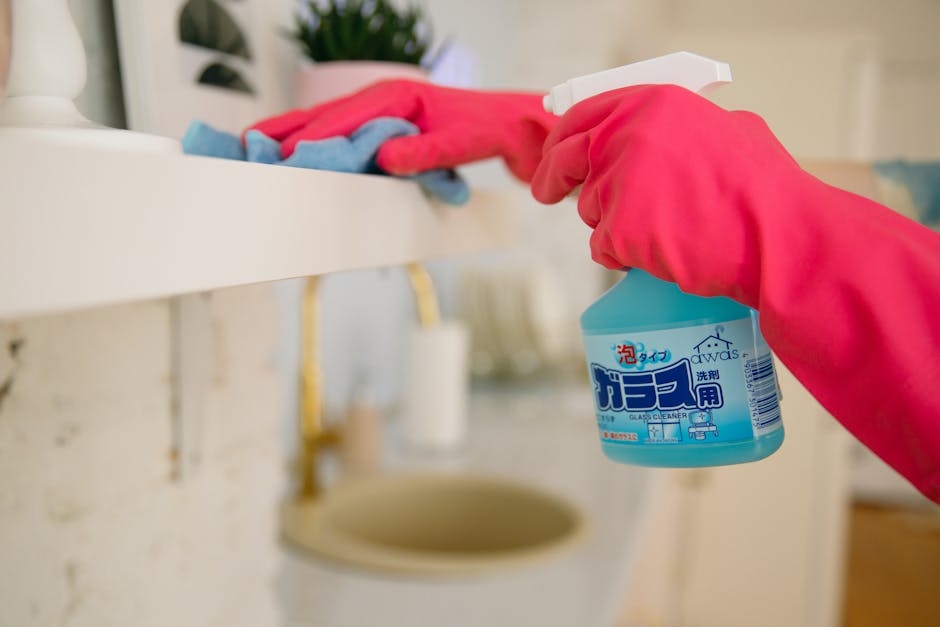
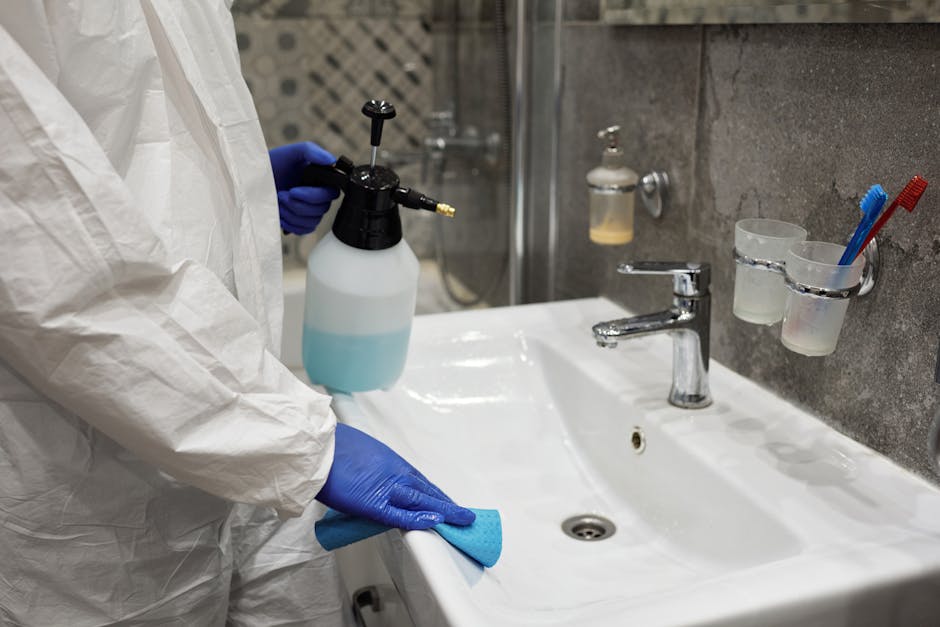
W6 Hammersmith flat deep cleaning for landlords and agents
If you manage a rental flat in W6, you already know how quickly small issues turn into big ones. A dusty skirting board becomes a complaint. A greasy extractor fan becomes a move-in delay. And a bathroom that looks "fine enough" in daylight can feel very different when a new tenant walks in on a grey London morning. That is where W6 Hammersmith flat deep cleaning for landlords and agents earns its keep: it helps you reset a property properly, protect presentation standards, and reduce the back-and-forth that nobody has time for.
This guide breaks down what deep cleaning actually involves, when it makes sense, what good results look like, and how landlords and agents can avoid the common traps that lead to callbacks. You will also find a checklist, a comparison table, and practical advice for handling end-of-tenancy, void-period, and pre-marketing cleans without drama. Truth be told, the details matter more than most people expect.
Table of Contents
- Why W6 Hammersmith flat deep cleaning for landlords and agents Matters
- How W6 Hammersmith flat deep cleaning for landlords and agents Works
- Key Benefits and Practical Advantages
- Who This Is For and When It Makes Sense
- Step-by-Step Guidance
- Expert Tips for Better Results
- Common Mistakes to Avoid
- Tools, Resources and Recommendations
- Law, Compliance, Standards, or Best Practice
- Options, Methods, or Comparison Table
- Case Study or Real-World Example
- Practical Checklist
- Conclusion
- Frequently Asked Questions
Why W6 Hammersmith flat deep cleaning for landlords and agents Matters
For landlords and letting agents, deep cleaning is not just about making a flat look tidy. It is about presenting a property in a condition that feels cared for, neutral, and ready for occupation. In a busy area like W6 Hammersmith, where flats move quickly between tenants and expectations can be high, the standard of cleanliness can shape the whole viewing experience.
A superficial clean may handle the visible surfaces. A proper deep clean goes further. It targets the places people notice subconsciously: behind taps, along door frames, inside cupboards, around handles, under appliances, and in the little corners where dust and grease settle. You know the sort of thing. The tenant may not mention every detail, but they will feel the difference.
For landlords, that matters because a flat that feels fresh tends to attract better responses and fewer objections at handover. For agents, it matters because a clean property photographs better, values better, and tends to create fewer awkward phone calls after move-in. Nobody wants the first complaint to be "the kitchen still smells a bit off", especially when the inventory was signed that same day.
There is also a practical side. Deep cleaning can highlight small maintenance issues early, before they become disputes. A mould-prone shower seal, a sticky window latch, or a blocked extractor can all be spotted during the clean. That early visibility saves time later, and honestly, it can save a lot of back-and-forth too.
Expert summary: A good deep clean is not simply about appearance. It helps create a safer, more presentable, more defensible standard at check-out, before re-let, and ahead of viewings. Done well, it supports both property value and reputation.
If you want to understand the wider company standards behind service delivery, it can help to review the team's about us information and the practical details in the health and safety policy.
How W6 Hammersmith flat deep cleaning for landlords and agents Works
Deep cleaning for a managed flat usually follows a structured process rather than a quick once-over. The aim is to move room by room, focusing on hygiene, presentation, and problem areas that a standard clean may miss. That structure matters because flats in turnover often have mixed surfaces, awkward layouts, and time pressure. A rushed clean can leave the kitchen looking good but the bathroom or hallway clearly neglected. Bit of a false economy, really.
Most professional deep cleans start with an assessment. This is where the cleaner or team looks at the property condition, notices priority rooms, and identifies any extra work such as heavy limescale, post-tenancy marks, or appliance build-up. In a rented flat, a few minutes of assessment can stop the whole job from going sideways later.
From there, the work usually covers:
- high and low dusting
- kitchen degreasing and appliance detailing
- bathroom sanitising and limescale treatment
- internal glass, mirrors, and frames
- skirting boards, switches, sockets, and handles
- floor care, including vacuuming and mopping
- spot cleaning of walls, doors, and surfaces where appropriate
- final presentation checks before sign-off
The exact scope depends on the flat condition and the agreement in place. Some agents want a quick pre-tenancy refresh. Others need a full end-of-tenancy deep clean after several months or years of occupancy. The point is not to tick boxes for the sake of it. It is to return the property to a standard that feels reset.
Kitchen and bathroom areas usually take the most time because they show wear quickly. Grease, soap residue, body oils, toothpaste marks, and scale build up in very ordinary ways. You can clean around them for a while, but sooner or later the property starts speaking for itself. And it tends to say, rather loudly, that it needs proper attention.
Key Benefits and Practical Advantages
There are obvious benefits, and then there are the quieter ones. The obvious ones include better appearance and better hygiene. The quieter ones often matter just as much to landlords and agents trying to keep operations smooth.
- Better first impressions: Clean flats feel brighter, larger, and more welcoming during viewings.
- Fewer move-in complaints: A thorough clean reduces the chance of avoidable handover issues.
- Better inventory confidence: When the property is clearly well cleaned, condition recording is easier to defend.
- Stronger marketing visuals: Clean, neutral spaces photograph more effectively for listings.
- More efficient void-period turnaround: Faster readiness can help reduce empty weeks.
- Improved hygiene in high-touch areas: Handles, switches, and bathroom surfaces are properly addressed.
There is also reputational value. Agents often work hard to keep tenant communication calm and professional. A flat that arrives in good condition makes that easier. A flat that arrives half-done creates friction before the tenancy has even started. And once trust dips, even a small issue can feel bigger than it is.
From a landlord's perspective, deep cleaning also supports asset care. Dirt, grease, and scale are not just cosmetic. Left too long, they can make kitchens, bathrooms, and appliances harder to maintain. Regular deep cleaning is one of those boring but smart habits that pays off quietly over time.
For service planning and budget discussions, many landlords and agents also review the pricing and quotes information before booking, so expectations are clear from the start.
Who This Is For and When It Makes Sense
This type of cleaning is especially useful for people managing rental property turnover. It is not just for large portfolios, either. A single flat in W6 can benefit just as much, maybe more if the tenancy has been long or the property is compact and accumulates clutter quickly.
It makes sense when you are:
- preparing a flat for new tenants
- closing out an end-of-tenancy period
- refreshing a void property before marketing
- getting a flat ready after refurbishment or decorating
- dealing with a property that has not had a thorough clean for a while
- trying to resolve cleanliness-related complaints before check-in
Let's face it, some situations need more than a standard clean. A studio flat with a heavily used kitchenette is not the same as a lightly occupied two-bed with regular maintenance. A good agent will judge the situation rather than default to a one-size-fits-all approach.
It is also useful where the property has small but visible wear: dusty blinds, traffic marks on floors, the faint smell of old cooking, or limescale in a shower room that has been quietly building up for months. Those are the details that can make a place feel tired even when it is structurally sound.
If access, scheduling, or special requests are part of the brief, the practical pages on contact options and service terms can be useful before committing to a booking.
Step-by-Step Guidance
A structured approach is the safest way to get reliable results. If you are managing the process yourself, or just want to know what should happen on the day, this is the general flow that tends to work well.
- Inspect the flat first. Walk through each room and note problem areas. Look for limescale, grease, marks, debris, and anything that may require extra time.
- Clear the space. Remove remaining tenant belongings, waste, paperwork, and any items left in cupboards or under sinks.
- Prioritise kitchens and bathrooms. These spaces normally need the most attention, especially around fittings, grout, extractor covers, and appliances.
- Work top to bottom. Start with dusting high points, then move to surfaces, fixtures, skirting, and flooring. That avoids re-contaminating cleaned areas.
- Treat visible build-up. Grease, scale, soap residue, and spot marks often need dwell time rather than a quick wipe.
- Finish with floors and final detail. Vacuum, mop, and then carry out a last check under natural light where possible. Morning light at the window can expose what indoor lighting hides. Annoying, but useful.
That final check is often the difference between "clean enough" and "ready to hand over". Small misses happen most often at the end of a long job: top of a radiator, inside a cupboard shelf, around a sink waste pipe, that kind of thing. A calm final sweep saves embarrassment later.
For properties where payments are being handled centrally, it is also sensible to confirm payment expectations and security arrangements in advance through the payment and security information. It keeps everyone on the same page, which is always nice.
Expert Tips for Better Results
After enough turnover cleans, a few patterns become obvious. The best results usually come from planning, not from brute force. Here are the habits that make a real difference.
- Book the clean after bulky removals. If movers or contractors are still coming and going, dirt gets reintroduced fast.
- Ask for the full scope in writing. Clear expectations reduce disputes. "Deep clean" means different things to different people, sadly.
- Pay special attention to the kitchen smell test. A flat can look spotless and still feel stale if the kitchen needs degreasing or the bin area has not been properly addressed.
- Use daylight for a final review. Artificial lighting hides a surprising amount.
- Check internal touchpoints. Door handles, switches, bannisters, and cupboard pulls are the places people instinctively notice.
- Flag problem materials early. Delicate paint, ageing sealant, natural stone, or damaged finishes need care, not aggressive scrubbing.
One small but useful habit: keep a note of the recurring problem areas in each property. A bathroom window that always collects condensation, or a cooker hood that needs extra attention every turnover, becomes easier to manage when you stop treating each clean as a blank slate.
If sustainability matters in your portfolio, consider asking about responsible waste handling and product use. The company's recycling and sustainability page is a sensible place to look for that angle.
Common Mistakes to Avoid
The most common mistakes are not dramatic. That is the frustrating part. They are small oversights that add up to a poor handover or an awkward follow-up call.
- Assuming a standard clean is enough. For end-of-tenancy work, that is often optimistic.
- Cleaning before the property is fully cleared. It wastes time and leaves hidden areas untouched.
- Skipping kitchens and bathrooms in favour of visible rooms. Those are the exact rooms tenants scrutinise first.
- Not confirming what is included. One person expects oven detailing, another expects only surface cleaning. Cue confusion.
- Ignoring smells. Odour problems are often a sign of hidden build-up or ventilation issues.
- Forgetting the final inspection. Without it, little misses slip through.
There is also a human mistake that crops up a lot: leaving the job too late. In the rush between tenancy end, inventory, keys, and the next viewing, cleaning gets squeezed. Then everyone has to move faster, and that is exactly when things go wrong. A calm schedule is a cleaner schedule.
If a complaint does arise, it helps to know the route for raising it properly. The page on complaints procedure gives a clear place to start if needed.
Tools, Resources and Recommendations
Good results come from using the right tools for the job, not just more effort. For landlords and agents, it is useful to understand the basics even if you are outsourcing the work, because it helps you judge quality more confidently.
| Area | Useful tools or methods | What good looks like |
|---|---|---|
| Kitchen | Degreasing agents, cloths, detail brushes, safe appliance cleaners | Clean handles, polished surfaces, low odour, no sticky residue |
| Bathroom | Limescale remover, non-abrasive pads, grout brushes, sanitising products | Clear taps, refreshed sealant lines, no soap film, tidy chrome |
| Living areas | Vacuum with attachments, microfibre cloths, edge tools | Dust removed from edges, skirting, corners, and vents |
| Floors | Vacuuming, appropriate mop systems, spot treatment where suitable | Even finish, no smears, no debris at edges or behind doors |
| Final check | Daylight inspection, touchpoint review, spot re-clean | Property feels fresh, consistent, and ready to present |
Some practical resources are less about tools and more about process. For example, a clear quote, a written scope, and a service agreement all reduce confusion. The details on pricing and quotes, terms and conditions, and privacy policy can help support a smoother booking journey.
It is also worth checking insurance and safety expectations before any team works in a lived-in or recently vacated property. The insurance and safety page is a sensible reference point when you need reassurance on that front.
Law, Compliance, Standards, or Best Practice
For landlords and letting agents, cleaning itself is not usually the legal centre of the tenancy, but it still sits close to important obligations around property condition, safety, and fair handover. The practical standard is simple: the property should be returned and re-let in a condition that is hygienic, safe, and consistent with the tenancy agreement and inventory expectations.
In the UK, best practice usually means working with clear records. Before-and-after photos, a written scope, and an inventory comparison are all useful if there is later disagreement. You do not need to overcomplicate it. Just make sure the condition is documented properly. That is one of those boring admin habits that pays for itself.
Landlords should also avoid creating fresh safety issues during cleaning, such as using unsuitable chemicals on surfaces, over-wetting flooring, or blocking ventilation during work. In a flat environment, small choices matter. A wet bathroom floor, a plugged-in appliance near water, or a cleaner using the wrong product on natural stone can create needless risk.
If you are commissioning work in occupied or recently vacated premises, it is sensible to confirm practical matters in advance, including access arrangements, payment expectations, and any health and safety requirements. The pages on health and safety, payment and security, and terms and conditions are all relevant to that process.
There is no need to chase perfection. There is, however, a need to be reasonable, documented, and consistent. That is usually where good property management lives.
Options, Methods, or Comparison Table
Not every flat needs the same level of intervention. The right method depends on how the property will be used next, how much time you have, and how much the condition has slipped. Here is a useful comparison for agents and landlords making a quick decision.
| Approach | Best for | Strengths | Limitations |
|---|---|---|---|
| Standard clean | Light maintenance between regular visits | Quick, cost-conscious, suitable for low build-up | May miss hidden dirt, grease, and scale |
| Deep clean | End of tenancy, void periods, pre-marketing | More thorough, better presentation, higher finish | Takes longer and usually costs more than a basic clean |
| Targeted room-by-room clean | One or two problem rooms only | Flexible, useful when the rest of the flat is already in good shape | Can create inconsistent results if other areas are not maintained |
| Post-renovation clean | After decorating or light refurbishment | Removes dust, debris, and construction residue | May require extra time for fine dust and tricky surfaces |
For many W6 Hammersmith flats, the best choice is the deep clean. It is the middle ground that actually saves time later. A standard clean may be tempting, especially if the flat "does not look too bad," but appearances can be deceptive. Kitchen cupboards, extractor hoods, and bathroom corners tell the real story.
Case Study or Real-World Example
Here is a realistic scenario from the kind of situation agents see all the time. A two-bedroom flat in Hammersmith has just been vacated after a year-long tenancy. On first glance, it looks acceptable: no obvious damage, no rubbish left behind, and the floors are mostly clear. But once you look closer, the details start stacking up. The oven has a baked-on film. The bathroom mirror is spotted with residue. The skirting boards in the hallway have a fine line of dust. One bedroom has a faint damp smell near the window because the frame was never fully cleaned.
If that flat goes straight to viewings, the agent spends time explaining away things that should never have been an issue in the first place. So the property is scheduled for a full deep clean. Kitchen grease is removed, bathroom scale is treated, the windows are wiped, floors are detailed at the edges, and touchpoints are cleaned throughout. The difference is not flashy. It is just quietly better.
By the time the next viewing happens, the flat feels brighter and more settled. The space smells fresher. The photos look more consistent. Nothing miraculous, just the kind of finish that makes people say, "Yes, I could move in here." That is often what landlords and agents are really buying: reassurance.
To keep the process smooth, some teams also use the company's information pages for admin confidence, including about us for service context and contact us for arranging bookings and practical questions.
Practical Checklist
Use this checklist before handing over a flat or signing off a cleaning job. It is simple, but that is the point.
- All tenant belongings and waste removed
- Kitchens degreased, including cooker, hood, splashback, and cupboard fronts
- Bathrooms descaled, sanitised, and dried properly
- Internal glass, mirrors, and visible frames cleaned
- Skirting boards, switches, and handles wiped down
- Dust removed from corners, ledges, vents, and behind accessible items
- Floors vacuumed and mopped where suitable
- Odours checked, especially in kitchen and bathroom areas
- Spot marks on doors, walls, or light fittings reviewed
- Final inspection completed in good light
- Any maintenance issues noted separately
- Photos taken if the condition needs to be recorded
One more thing: if access or communication arrangements need clarity, especially with multiple stakeholders involved, the site's accessibility statement can be useful for understanding how information and access are handled.
Conclusion
W6 Hammersmith flat deep cleaning for landlords and agents is really about control: control over presentation, over turnaround timing, and over the standard a new tenant sees on day one. A good clean makes a property easier to market, easier to hand over, and easier to defend if questions come up later. That is valuable, even when nobody says it out loud.
The best results come from clear scope, sensible timing, and a focus on the rooms and details that matter most. If you manage flats regularly, it is worth treating deep cleaning as part of the property workflow rather than an afterthought. A little structure here saves a lot of hassle there.
Get a free quote today and see how much you can save.
And if you are planning the next tenancy changeover, take your time with it. A properly cleaned flat has a way of calming the whole process down. Not a bad thing at all.
Frequently Asked Questions
What does W6 Hammersmith flat deep cleaning for landlords and agents usually include?
It typically includes kitchen degreasing, bathroom descaling, dust removal, internal glass cleaning, floor care, and detailed cleaning of touchpoints such as switches and handles. The exact scope depends on the flat's condition and the booking brief.
Is a deep clean the same as an end-of-tenancy clean?
They overlap a lot, but not always completely. An end-of-tenancy clean is usually tied to handover standards and move-out timing, while a deep clean can also be used before marketing, after refurbishment, or during void periods.
How long does a flat deep clean take in practice?
It depends on the size and condition of the property. A small, tidy flat may take less time than a larger one with heavy kitchen or bathroom build-up. Condition matters more than floor area alone, which is something people often underestimate.
Do landlords need to book a deep clean after every tenancy?
Not always, but it is often the sensible option when a property has been occupied for a while or when you want a strong reset before re-letting. If a flat has been lightly used and maintained well, a lighter clean may be enough.
What areas cause the most problems during flat handovers?
Kitchens and bathrooms are the usual trouble spots. Ovens, extractor fans, taps, shower screens, grout, and hidden corners often show up issues that a surface clean misses. Smell can also be a factor, especially in compact flats.
Can deep cleaning help reduce tenant complaints?
Yes, very often. A clean, well-presented flat reduces the chance of complaints about hygiene, odours, or visible residue at move-in. It also helps create a better first impression, which matters more than people sometimes admit.
What should agents check before booking the service?
They should check access details, the cleaning scope, timing, whether the property is fully cleared, and any special surfaces or problem areas. It is also smart to confirm terms, payment expectations, and any safety requirements before the visit.
How much does flat deep cleaning cost?
Pricing varies by size, condition, and scope, so it is best to request a quote rather than guess. A flat with heavy grease, scale, or post-tenancy build-up will usually require more work than one needing a lighter reset.
Is there a difference between a regular clean and a professional deep clean?
Yes. A regular clean usually maintains visible surfaces, while a deep clean targets build-up, hidden edges, and hygiene-heavy areas in more detail. Think of it as maintenance versus reset. That distinction matters quite a bit in rental property turnover.
What if the flat still has minor maintenance issues?
Cleaning can improve presentation, but it will not fix damaged sealant, broken fittings, or ventilation problems. It is best to note maintenance separately so the issues can be addressed properly rather than disguised by cleaning alone.
How can landlords and agents prepare the flat before cleaners arrive?
Remove personal items, rubbish, and anything bulky left behind. Make sure access is arranged, utilities are on if needed, and the cleaner knows about any delicate materials or priority rooms. A bit of preparation goes a long way, honestly.
Where can I find more practical information before booking?
You can review the company's pages on pricing and quotes, insurance and safety, and contact us to get a better sense of the booking process and what to expect.