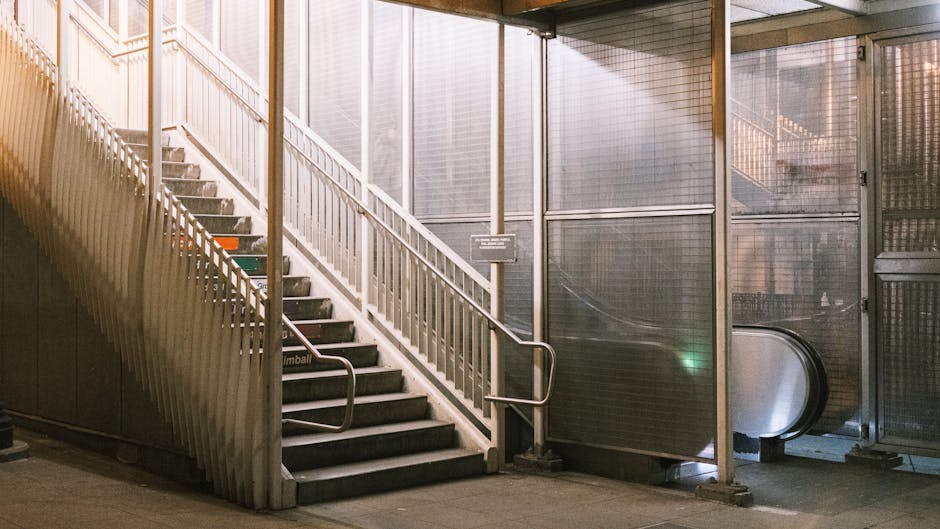
What to know about access and stairs for Hammersmith cleaners
If you are booking a cleaning visit in a flat, townhouse, mansion block, or a busy commercial building, the first thing that can make or break the job is not the stain itself. It is access. In practice, what to know about access and stairs for Hammersmith cleaners comes down to a few simple things: how the team gets in, whether stairways are safe and clear, what equipment needs carrying, and how to avoid delays on the day. Get those details right and the whole appointment feels calm. Get them wrong and even a straightforward clean can become awkward, slow, or more expensive than it needed to be.
This guide explains the real-world side of access and stairs in plain English. You will learn what cleaners usually need to know before arrival, how stair access affects different services, what to prepare, and how to spot the little issues that people often forget. Truth be told, it is usually the small stuff - a tight stairwell, a locked gate, a lift that is out of service - that causes the most friction.
For service details, company policies, and practical planning support, it can also help to look at pages like health and safety guidance, accessibility information, and insurance and safety information.
Key takeaway: the smoother the access, the safer the visit, the better the result, and the less chance of avoidable disruption. Stairs are not a minor detail; they are part of the job plan.
Why What to know about access and stairs for Hammersmith cleaners Matters
Access affects nearly every part of a cleaning appointment. Can the cleaner park close enough to unload equipment? Is there a concierge, a buzzer, or a key safe? Are the stairs wide enough for a vacuum, extractor, or trolley? Is there a lift, and if so, does it actually work on the day? These are not dramatic questions, but they shape the visit in a very real way.
In Hammersmith, the building stock is varied. You get Victorian conversions, modern apartment blocks, older terraces split into flats, commercial premises above shops, and offices tucked into stair-heavy buildings. That mix makes access planning more important than in a simple ground-floor property. A cleaner may be perfectly happy to work up three flights of stairs, but they still need to know in advance so they can bring the right equipment and allow enough time.
Stair access also matters for safety. Carrying water, machinery, cleaning solutions, and hoses up and down stairs is manageable when planned, but it is not something to improvise. A slippery stair tread, a narrow landing, or a dog weaving underfoot can turn a routine visit into a hazard. That is why many professional teams build access questions into their booking process. It is basic, sensible, and honestly a sign of good service.
There is also a customer-experience angle. If the cleaner arrives and has to stop at the front door to solve a missing access code, the appointment starts on the back foot. Nobody enjoys that. A few minutes of planning tends to save a surprising amount of hassle later.
How What to know about access and stairs for Hammersmith cleaners Works
The access process is usually straightforward. Before the appointment, the cleaner or booking team will want to know how they enter the property and what they will face on the way in. That includes stairs, lifts, parking, door codes, concierge rules, and any awkward bits of the route from street to room.
For a typical residential clean, the flow might look like this:
- You confirm the address and property type.
- You explain whether the clean is in a basement flat, upper-floor flat, house, office, or shared building.
- You note how many flights of stairs there are, whether they are narrow, and if a lift is available.
- You give access instructions such as buzzer numbers, entry codes, parking notes, or concierge details.
- The cleaner plans the right arrival window and equipment load-out.
- On the day, the cleaner checks access, carries equipment safely, and begins the work once everything is confirmed.
In commercial settings, the process can be a little more formal. Building managers may control entry, loading bays, or service lifts. You might need to share temporary pass details, explain where equipment can be left, or confirm cleaning outside peak hours. If the job involves larger areas such as office carpet care, it is worth reviewing the company's commercial carpet cleaning page alongside any building access notes.
Another thing to understand: access is not just about getting in. It is about getting through the space without damaging walls, skirting boards, banisters, floors, or finishes. A careful cleaner will think about corners, turns, stair nosings, and how to protect the route. Good planning reduces the odds of scuffs, slips, or a very annoying scratch on a freshly painted stair wall. Nobody wants that conversation.
Key Benefits and Practical Advantages
Good access planning has benefits that go beyond convenience. It directly improves the quality of the visit and the final result.
- Faster set-up: less time spent waiting, calling, or hunting for the right entrance.
- Safer handling: stairs can be navigated more carefully when the route is known in advance.
- Better scheduling: the cleaner can allocate the right amount of time instead of guessing.
- Reduced disruption: useful in shared buildings where neighbours, tenants, or staff are nearby.
- Lower risk of damage: less chance of bumping walls, slipping, or dragging heavy kit through tight areas.
- More accurate pricing: difficult access can affect labour time, so early disclosure helps quotes stay realistic.
There is a quieter benefit too: peace of mind. When you know the cleaner has everything they need, you do not have to hover by the door or keep checking the phone. The visit simply happens. That sounds small, but it matters.
For customers comparing providers, it can help to look at the wider service standards as well. A company that is transparent about booking, preparation, and safety usually handles access issues more professionally too. You can check practical details on pricing and quotes and terms and conditions to understand what may affect the booking.
Who This Is For and When It Makes Sense
This topic matters to anyone arranging cleaning in a building where access is not completely simple. That includes tenants, landlords, managing agents, office managers, homeowners, and business owners. If you live on the second or third floor, have no lift, or share a tight communal stairwell, this is especially relevant.
It makes sense to plan access carefully in these situations:
- Upper-floor flats with narrow staircases
- Basement properties with steep steps down from street level
- Converted houses with awkward bends and split landings
- Commercial buildings with secure entry systems
- Premises with service-only access or restricted loading times
- Homes where pets, children, or mobility needs make the route harder to manage
It also matters for specialist cleaning jobs. A large sofa, a heavy rug, or equipment for deep carpet cleaning may be easy enough to carry on a flat route, but stairs change the picture. If your job includes upholstery, curtains, mattresses, or delicate stain work, you may want to review the relevant service pages such as sofa cleaning, upholstery cleaning, or curtain cleaning so you can think about access in the context of the specific item being cleaned.
One practical note: if you are not sure whether the stairs are "a bit tight" or "properly difficult," describe them honestly. A cleaner would rather hear, "It's a narrow turn at the top of the stairs," than discover it after carrying half a kit up three flights. To be fair, most access issues are manageable if people are upfront about them.
Step-by-Step Guidance
If you want the smoothest possible appointment, use this simple process.
- Identify the route in advance. Walk from the street to the room or area to be cleaned. Notice any gates, intercoms, security doors, lift restrictions, stairs, or low ceilings.
- Count the stairs properly. Not roughly. Count the actual flights, landings, and any split-level sections. A "couple of stairs" can become a serious carry when there are extra turns.
- Check what will be carried. Think about extractors, hoses, extension leads, detergents, buckets, protective gear, and any furniture that may need moving.
- Share access details early. Give codes, keys, parking notes, concierge instructions, or arrival restrictions before the visit day if possible.
- Clear the stair route. Remove shoes, storage baskets, loose rugs, prams, deliveries, and anything that could be a trip hazard.
- Confirm who is meeting whom. Decide whether someone will be home, whether the cleaner can self-access, or whether a building representative will meet them.
- Do a final check before arrival. If a lift is out of order or a gate is stuck, mention it immediately. Small delay now, bigger delay later if not.
Here is the short version: tell the truth, be specific, and make the route easy to read. It sounds obvious, but people often skip that middle part. A helpful note like "third floor, no lift, narrow spiral stairs at the top" is worth more than a vague "upstairs flat."
If the job is a deep clean or steam-based process, access planning becomes even more important because equipment can be heavier and the return route may be damp. For more context on that style of work, the steam carpet cleaning page is a useful reference point.
Expert Tips for Better Results
After enough visits, certain patterns become very clear. The best-run jobs are usually the ones where the access questions were answered before anyone lifted a machine. Simple. Not glamorous, but simple.
- Photograph awkward stair sections if you are unsure how to explain them. A quick picture can help the cleaner understand narrow turns, railings, or low headroom.
- Use the same access method every time where possible. If one tenant uses the side door and another uses the front entrance, confusion creeps in fast.
- Protect the route with mats or coverings if the building has delicate flooring or fresh paintwork.
- Make parking notes precise, especially in areas with loading limits or permit zones. A cleaner arriving with a van and nowhere to stop can lose a lot of time.
- Let neighbours know if equipment will be moved through shared hallways. It avoids awkward moments in the corridor.
- Build in a buffer for difficult access. A job on the third floor may need a slightly longer appointment window than a ground-floor equivalent.
A small but useful observation: stairs are often worse in the booking email than they are in real life. People worry about them, then the route turns out to be fine. The reverse happens too, of course. A "small staircase" can hide a couple of awkward landings and a very tight bend. So it pays to be careful, not dramatic.
For heavier furniture or item-based work, consider whether access will affect moving and repositioning. A service like rug cleaning or mattress cleaning may seem straightforward, but the item still has to travel through the property safely.
Common Mistakes to Avoid
Most access problems come from avoidable oversights, not major failures.
- Forgetting to mention stairs at all. This is the classic one. The cleaner finds out only when they arrive and everyone sighs a bit.
- Assuming a lift will be available. Building lifts can be out of service, restricted, or locked to residents only.
- Leaving the stairway cluttered. Shoes, laundry baskets, bikes, pushchairs, and parcels all become trip hazards in seconds.
- Giving vague directions. "Easy access" means different things to different people.
- Not warning about security measures. Intercoms, concierge desks, fobs, and codes matter more than people expect.
- Ignoring parking and unloading. If the cleaner has to park far away and carry kit a long distance, the job can take longer and cost more.
Another mistake is underestimating shared-building etiquette. In a block with close neighbours, a noisy arrival, blocked hallway, or wet equipment trailing through communal space can create friction. It is better to be considerate from the outset. A little courtesy goes a long way, especially in London buildings where people are often living very close together.
And yes, sometimes the issue is just human forgetfulness. Happens to the best of us. The fix is not to panic, just to communicate early and clearly.
Tools, Resources and Recommendations
You do not need special equipment to manage access well, but a few simple tools help a lot.
- A phone camera for photographing awkward stairs, entrances, or parking signs.
- A site note with access codes, gate instructions, and lift details saved in one place.
- A simple floor plan or sketch if the building layout is confusing.
- Door mats or protectors for sensitive routes and wet-weather entry points.
- Basic measuring awareness for narrow stair turns, low ceilings, or bulky items.
From a service-planning perspective, it is also sensible to review company pages that explain what the business does, how it handles customer information, and how it manages payments. That gives you a clearer picture of professionalism. Useful pages include about the company, payment and security, and privacy policy.
For customers who care about how waste is handled or what happens to packaging and consumables, recycling and sustainability may be useful too. It does not change stair access, obviously, but it does show how the business thinks about day-to-day operations.
One small recommendation: if the building is unusual, do not rely on memory alone. Write it down. The mind is wonderfully helpful right up until it is not.
Law, Compliance, Standards, or Best Practice
Access and stair planning is not usually about one dramatic legal rule. It is more about sensible working practice, duty of care, and keeping people safe. In the UK, businesses are generally expected to manage work activities in a way that reduces avoidable risk, especially where equipment, manual handling, and shared spaces are involved.
For cleaning visits, that means clear communication, safe lifting, reasonable route planning, and respect for building rules. If a stairway is too narrow for equipment to be moved safely, that should be discussed rather than pushed through. If a route creates trip risks in a communal hallway, that needs addressing. That is common-sense best practice, but it is also part of running a professional service.
Customers should also expect clarity around terms, access arrangements, and any situations that may affect timing or completion. That is one reason it is worth checking terms and conditions alongside service information. A good provider will be transparent about what happens if access is delayed or restricted.
Where accessibility is concerned, businesses should think carefully about how their services are delivered to people with mobility needs, limited step access, or other practical barriers. The goal is not just to "get the job done" but to do it in a way that is respectful, careful, and workable for everyone involved. That really is the standard worth aiming for.
If you ever need to check a company's approach to service quality or make a formal comment, its complaints procedure is worth knowing about. Hopefully you never need it, but having a clear route for feedback is reassuring.
Options, Methods, or Comparison Table
Access situations are not all the same. Here is a simple comparison of the most common ones.
| Access type | What it usually means | Common challenge | Best approach |
|---|---|---|---|
| Ground-floor access | Direct entry with little or no stair use | Parking or doorway clearance | Confirm parking and keep the entry route clear |
| Upper-floor stairs only | No lift, so equipment is carried by hand | Time, weight, and narrow turns | Share stair details early and allow extra time |
| Lift access | Equipment can often be moved more easily | Lift size, restrictions, or breakdowns | Check whether the lift is usable for service work |
| Shared entrance or concierge | Entry depends on building management or reception | Codes, waiting, and sign-in requirements | Provide contact details and entry instructions in advance |
| Basement or split-level property | Steps may go down as well as up | Steep stairs, low ceilings, damp areas | Flag the route clearly and note any hazards |
This table is not about making one access type "better" than another. It is about planning. A second-floor flat with tight stairs can still be perfectly workable. It just needs a different approach than a ground-floor room with a wide hallway.
Case Study or Real-World Example
Imagine a typical Hammersmith mansion block: secure front door, a narrow stairwell, and a flat on the third floor. The customer books a carpet clean and says the property is "fairly easy to get into." On arrival, the cleaner finds a front door with a coded entry system, a first landing that is tighter than expected, and a carpeted stair that makes wheeled kit awkward to move.
Because the access was not described in detail, the cleaner has to pause, call the customer, wait for the code, and then make a slower carry up the stairs. The job still gets done, but the start is clunky and everyone loses a bit of time. No disaster, just unnecessary friction.
Now imagine the same job with better planning. The customer shares the code in advance, notes that the stairwell is narrow, confirms there is no lift, and tells the cleaner where to park briefly for unloading. The cleaner brings the right kit, allows a little extra time, protects the stair route, and gets straight to work. Same property. Very different experience.
That is the real value of access planning. It turns uncertainty into routine.
In a commercial example, the same principle applies. A business booking office carpet work may have service entrances, specific hours, or a building manager who needs notice. The best results usually come from a bit of coordination, not from hoping it all sorts itself out at the door.
Practical Checklist
Use this before the appointment. It keeps things tidy and, frankly, saves headaches.
- Have I described the property type clearly?
- Have I counted the stairs and noted any tight turns or landings?
- Have I checked whether the lift works and whether it can be used for equipment?
- Have I given any door codes, buzzer numbers, or concierge instructions?
- Have I explained parking or unloading restrictions?
- Is the stair route clear of clutter, shoes, bags, and loose items?
- Have I mentioned pets, children, or anyone with mobility needs?
- Do I know whether the cleaner needs to bring heavier or larger equipment?
- Have I pointed out any fragile flooring, fresh paint, or narrow communal areas?
- Have I checked the booking details against the service page and company policies?
If you can tick most of those off, you are in good shape. If you cannot, that is fine too - just fill in the gaps before the day arrives. It is much easier to solve access questions in advance than while someone is standing in the hallway with equipment in hand.
For booking support, the most direct next step is to review pricing and quotes and then get in touch through the business's contact route if you need to clarify access details. Small conversation now, smoother visit later.
Get a free quote today and see how much you can save.
Conclusion
What to know about access and stairs for Hammersmith cleaners is really about preparation, safety, and avoiding awkward surprises. The cleaner is not just turning up to clean a room; they are navigating a building, carrying equipment, and working around whatever the property throws at them. If the access route is clear and the stair details are shared early, the whole job becomes easier for everyone.
Whether you are in a flat above a busy street, a converted house, or a commercial space with a tricky service entrance, the same principles apply: be specific, be honest, and think through the route before the day arrives. That is usually enough to prevent the common problems and keep the appointment running smoothly.
And if all else fails, remember this: a five-minute access check can save a fifty-minute headache. Not a bad trade, really.
Frequently Asked Questions
Do Hammersmith cleaners need to know about stairs before the visit?
Yes. Stair details help the cleaner plan equipment, timing, and safe movement through the property. Even a short flight can matter if the route is narrow or awkward.
What if my flat is on the third floor with no lift?
That is usually still workable, but it should be mentioned clearly at booking. The cleaner may need a little extra time and may plan the visit differently depending on the equipment involved.
Should I mention a narrow staircase even if it only affects part of the route?
Absolutely. One tight section is enough to influence how equipment is carried. A cleaner would rather know about a single awkward bend than be surprised by it at the top of the stairs.
Can a cleaner still work if the lift is broken?
Often yes, but it depends on the job size, the equipment, and the practicalities of carrying everything by hand. The best thing to do is tell the cleaner as soon as you know the lift is unavailable.
How should I prepare communal stairs before the appointment?
Clear loose items, shoes, prams, parcels, and anything that might cause a trip hazard. If the building is shared, try to keep the route tidy and easy to pass through.
Do access issues affect the price of cleaning?
They can, because difficult access may increase labour time or require a different schedule. Not every provider handles this the same way, so it is sensible to check the quote and terms in advance.
What details are most useful to give when booking?
Give the property type, number of floors, stair width if it is tight, lift availability, entry codes, parking notes, and any restrictions from the building or concierge.
Is access more important for deep cleaning than for quick cleaning?
Usually yes, because deeper cleans often involve heavier equipment or more items being moved. That said, even a small clean can be affected if the stairs are steep or the entrance is difficult.
What if I am not sure whether the access is complicated?
Describe it anyway. If you are unsure, a short note like "there are two flights and one narrow turn" is much more helpful than leaving it blank.
Are there any safety concerns with stairs and cleaning equipment?
Yes. Stairs can create slip, trip, and handling risks, especially with wet equipment or bulky items. Good access planning helps reduce those risks and keeps the visit safer for everyone.
Can I ask questions about accessibility before booking?
Yes, and you should. It is sensible to ask how the company handles stairs, lifts, shared entrances, and properties with limited access. That sort of clarity usually leads to a better experience.
Where can I read more about service standards and policies?
Helpful pages include the business's accessibility statement, health and safety policy, and insurance and safety information. They give you a clearer picture of how the company works day to day.